
The Legacy of Saul’s Control
Bride of AlvarThis flow traces how Saul’s domination continues after his death through trauma, prejudice, institutions, and memory.
increasing Bearing strength in each event
 decreasing
Bearing strength in each eventdecreasingControl Through the Collar
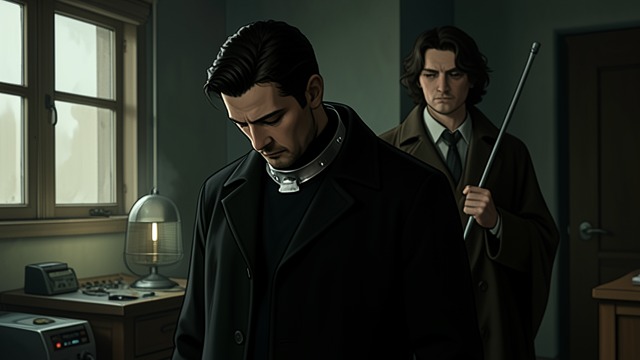
Control Through the Collar
Magical Command
The Fe collar makes Alvar act against his will.
Political Extension
Saul rules through a body that cannot resist, turning private enslavement into public government.
Psychological Damage
Even after commands cease, Alvar continues to experience himself as contaminated by Saul’s crimes.
Control Through Fear
Control Through Fear
Public Terror
Stories of the Cursed keep Axus obedient even when Saul is absent.
Institutional Memory
Citizens mistake the legacy of coercion for proof that Alvar is inherently evil.
Political Persistence
Saul’s rule survives as a set of emotional habits long after his armies disappear.
Control Through Secrecy

Control Through Secrecy
Protective Silence
Alvar hides his identity to prevent panic and protect the peace he built.
Political Fragility
The secrecy prevents citizens from judging the truth and leaves opponents free to define it for them.
Internal Prison
Alvar remains governed by shame even without Saul’s direct commands.
Control Through Prejudice
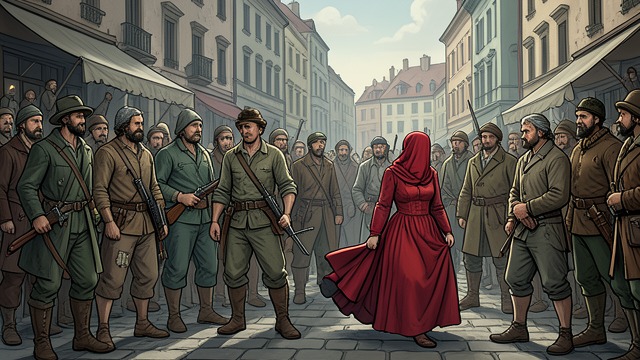
Control Through Prejudice
Inherited Categories
Lord Vessin and others treat Cursed identity as proof of unfitness.
Reproduced Violence
Their fear justifies excluding Alvar and attacking Lucy’s body.
Saul’s Afterlife
The tyrant’s worldview persists in people who claim to oppose him.
Breaking the Legacy
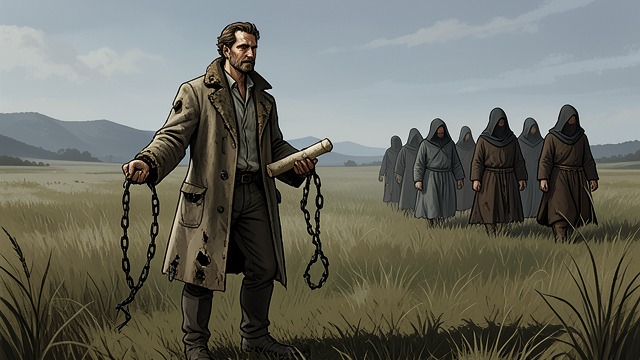
Breaking the Legacy
Confession
Alvar exposes the full history of control so the kingdom can respond to reality rather than myth.
Safeguards
The survivors demand weapons, councils, and procedures that prevent another Fe collar from becoming invisible.
Unfinished Freedom
The legacy is weakened but not erased; reform must continue after the final battle.
during Saul’s reign
after Saul’s conquest
before Alvar’s confession
during the succession debate
epilogue
